WHAT WE BUILD

Precision Contract Manufacturing Capabilities — Complete System Builds and Precision Sub-Assemblies for Complex Capital Equipment

The programs most CMs decline are the ones we were built for. Fixyte builds complete capital equipment systems and precision sub-assemblies for OEMs in defense, medical, industrial, and robotics markets. Low volume, high mix, high complexity — 5 to 200 units per year. Every program under fixed-price SOW with first article validation and full build documentation.

Fixyte Systems is a precision contract manufacturer in Billerica, Massachusetts specializing in opto-mechanical assembly, electro-mechanical integration, laser system assembly, and complete capital equipment builds. We serve defense and aerospace, medical and life sciences, industrial, and robotics and automation OEMs requiring low-volume high-mix contract manufacturing for complex programs. Programs run 5–200 units per year under fixed-price SOW with DFM review, first article validation, and full build documentation on every unit.

Start a Project

Two Ways We Engage — Complete Systems or Precision Sub-Assemblies

Every Fixyte program fits one of two engagement models. Identifying which one applies to your program determines how we scope the SOW, how we structure acceptance criteria, and what the deliverable looks like at delivery.

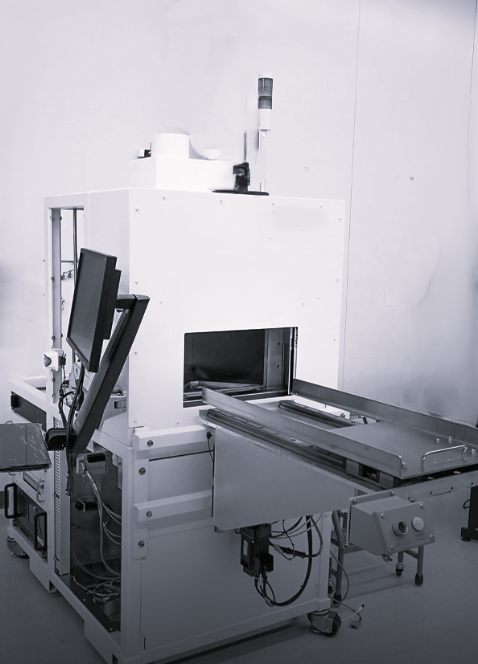
Complete system manufacturing and integration

Complete Systems

When you need it built, tested, and ready to ship

You provide the design package. We handle everything from procurement through factory acceptance testing. First article validation, full calibration and alignment, acceptance testing against your performance specification, and a complete system delivered to your facility — ready for deployment, integration into a larger platform, or direct shipment to your customer.

This model is for OEMs who need to outsource a complete capital equipment build — because they don’t maintain in‑house production capacity at this volume, because engineering time is better spent on design and customer programs, or because the system requires manufacturing domain expertise they don’t have internally.

What this engagement includes:

  • • Component procurement and incoming inspection
  • • Sub‑module assembly and integration
  • • Complete system integration and alignment
  • • Calibration to performance specification
  • • Factory acceptance testing per SOW criteria
  • • Full build documentation and traceability
  • • Delivery to your facility or your customer’s facility
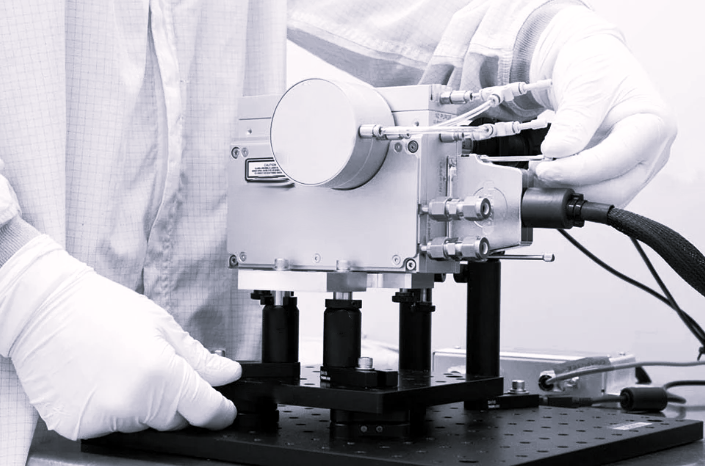
Precision sub-assembly manufacturing

Precision Sub‑Assemblies

When you retain final integration but need the sub‑modules built right

You keep final integration in‑house. We build the precision sub‑modules that plug into your larger platform — working from your drawings, BOM, and assembly standards. Integration‑ready deliverables built to your interface specification. Your team receives them and puts them in.

This model is for OEMs who maintain final integration capability but need a technically capable sub‑contractor — because the sub‑modules require precision or domain expertise they don’t have internally, because their production capacity is constrained, or because outsourcing is more economical than maintaining that capability in‑house.

What this engagement includes:

  • • Sub‑module assembly to your drawings and BOM
  • • Work performed to your assembly standards and procedures
  • • Interface verification against integration requirements
  • • First article validation before production run
  • • Full build documentation per unit
  • • Integration‑ready delivery

Not sure which model fits your program? The first conversation tells us both. Thirty minutes is enough to determine which engagement applies and what the scope review should cover.

Core Capability Areas

Deep technical assembly capabilities concentrated where program risk is highest — optical performance, electro‑mechanical integration, capital equipment builds, and laser system assembly.

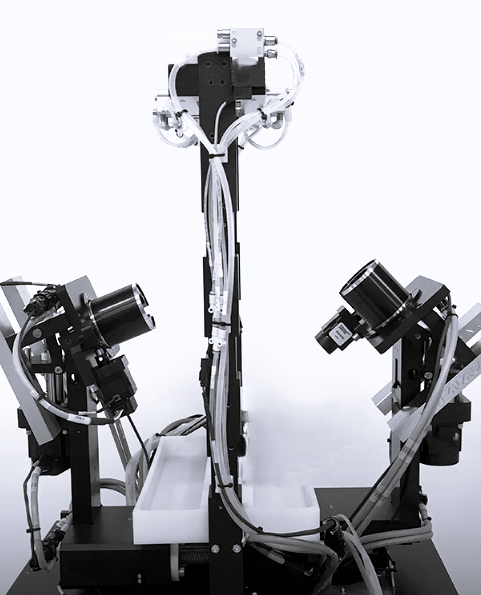
Opto-mechanical assembly and integration

Opto‑Mechanical Assembly and Integration

Lens assemblies, mirror mounts, optical bench builds, beam‑path integrations, and complete opto‑mechanical system assembly. Sub‑micron alignment where programs require it — active alignment, passive alignment, and alignment fixture design for production‑stable processes.

We build with optical performance sensitivity as the assembly standard. Meeting drawing tolerance alone is not sufficient when tilt, decenter, or thermal drift can degrade system performance. We understand the sensitivity — and we build accordingly.

  • • Sub‑micron opto‑mechanical assembly
  • • Active and passive alignment
  • • Lens and mirror assembly
  • • Beam path integration
  • • Optical bench builds
  • • Alignment fixture design
  • • MTF‑sensitive assembly practices
  • • Fiber coupling and FC/APC termination
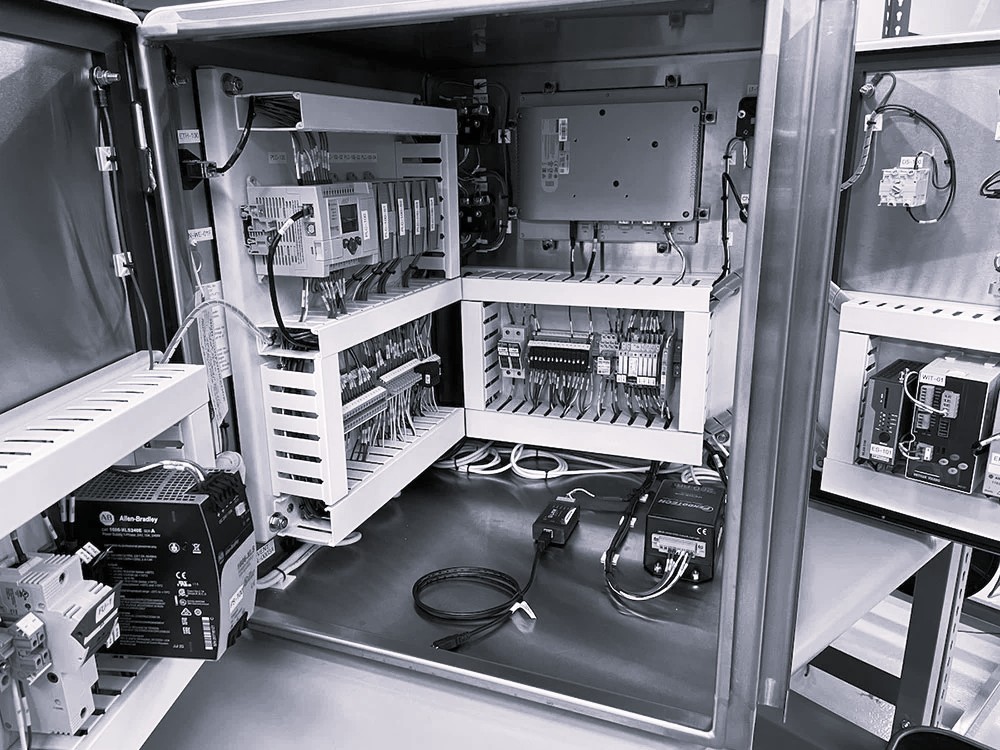
Electro-mechanical assembly and integration

Electro‑Mechanical Assembly and Integration

Complete electro‑mechanical builds from sub‑module integration through full system assembly. Cable harness routing, connector termination and pull‑test verification, sensor integration, power conditioning, and control electronics integration — built for the operating environment, not the test bench.

  • • Complete electro‑mechanical system builds
  • • Cable harness design, routing, and assembly
  • • Connector termination and verification
  • • Sensor and detector integration
  • • Power conditioning and distribution
  • • Control electronics integration
  • • EMI‑sensitive assembly practices
  • • Vibration‑rated harness assembly
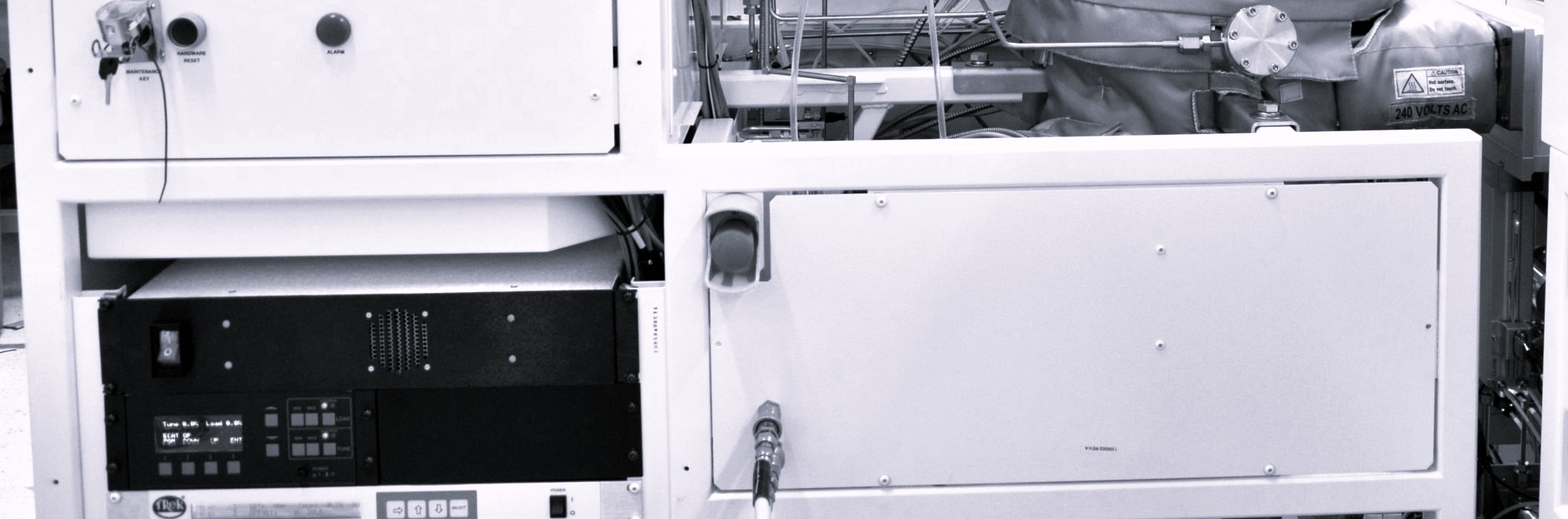
Complete system and capital equipment assembly

Complete System Builds and Capital Equipment Integration

Full capital equipment builds from design package through factory acceptance testing. Multi‑subsystem integration — optical, mechanical, electrical, and software — assembled, calibrated, and verified as a complete system.

  • • Multi‑subsystem capital equipment builds
  • • Optical and mechanical integration
  • • Electrical and electronic integration
  • • System‑level calibration
  • • Factory acceptance testing
  • • Performance‑referenced acceptance criteria
  • • Complete system documentation
  • • Delivery to facility or end customer
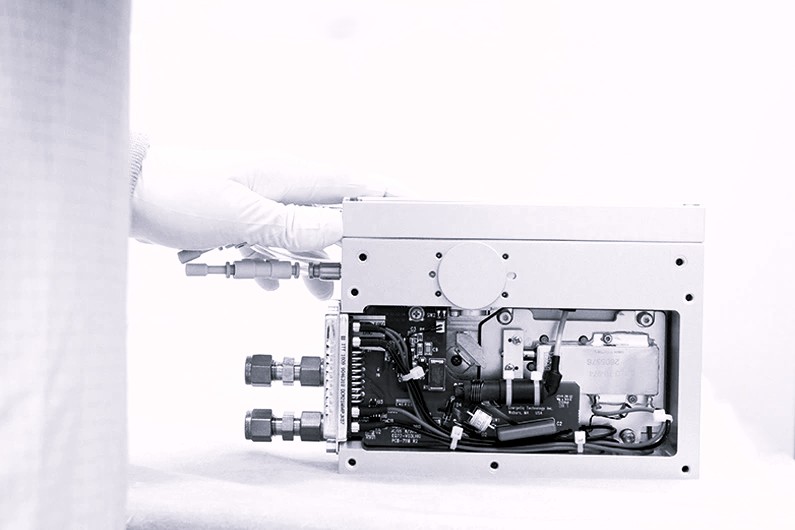
Laser system assembly and photonics integration

Laser System Assembly and Photonics Integration

Laser head assembly, beam‑path integration, fiber coupling, and complete laser system builds for industrial photonics and defense applications. Performance verified before delivery.

  • • Laser head assembly and integration
  • • Free‑space beam path alignment
  • • Fiber coupling and insertion‑loss verification
  • • Beam quality and M² characterization
  • • Power and wavelength verification
  • • Pointing stability validation
  • • High‑power laser sub‑assemblies
  • • Laser diode module integration

What We Don’t Do

Fixyte is purpose‑built for low‑volume, high‑complexity, high‑mix capital equipment programs. That specificity means there are programs we’re not the right partner for — and we’d rather tell you that here than in the third week of a program that isn’t working.

High‑volume production — our model is optimized for approximately 5–200 units per year. Programs requiring 500+ units annually belong with a CM whose facility, staffing model, and cost structure are built for volume manufacturing. We’ll tell you that in the first call.

PCB fabrication and SMT assembly — we integrate electronic assemblies that are fabricated and assembled elsewhere. We don’t operate PCB fabrication lines or surface‑mount equipment. If your program requires PCB fab and SMT as part of the scope, we manage that through our supply chain — but we don’t self‑perform it.

Sheet metal fabrication and machining — we assemble precision‑machined components and sheet‑metal fabrications. We don’t operate CNC machining centers or sheet‑metal fabrication equipment. Machined parts come from qualified suppliers and go through incoming inspection before assembly.

Design services — we are a contract manufacturer, not a design‑build firm. We build from your design package. We provide DFM input and assembly sensitivity review as part of the scope‑definition process — but we don’t own the design. Programs requiring engineering design services need a different type of partner.

Programs below the complexity threshold — if your program is straightforward enough that any competent job shop could build it, we’re probably not the most cost‑effective option. Our value shows up where domain knowledge and assembly discipline materially affect system performance. Simple programs belong with simpler CMs.

Have a program that fits this profile — low volume, high complexity, domain-specific assembly requirements

Send us your design package or schedule a discovery call. 30 minutes is enough to determine whether we're the right fit and outline what the scope review covers.

Schedule a Program Discussion